Skip to content
intuition intuitive

John Beebe: Jung and intuition

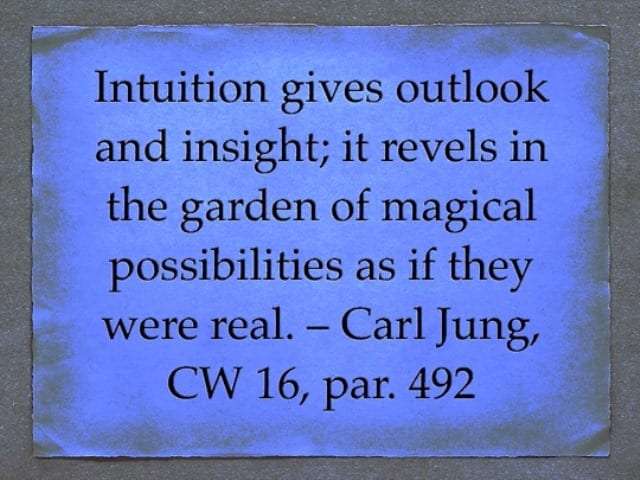
John Beebe: Jung and intuition In 1919, on the first in-print occasion that Jung moved beyond Jacob Burckhardt’s serviceable Urbild, or ‘primordial image’, to employ a more controversially Platonizing term, Archetypus (archetype), he linked that new, self-admittedly ‘borderline concept’ that he knew could not quite sit comfortably within reasonable post-Aristotelian discourse about forms of cognition… 

neurosis Freud Keller

Freud and Jung Contrasts

FREUD AND JUNG: CONTRASTS E D I T O R I A L NOTE For about six years, from 1907 to 1912, Jung practiced and wrote and presumably thought as a psychoanalyst, in close association with Freud.1 The work that was to be his major statement, Wandlungen und Symbole der Libido, proved instead to be… 

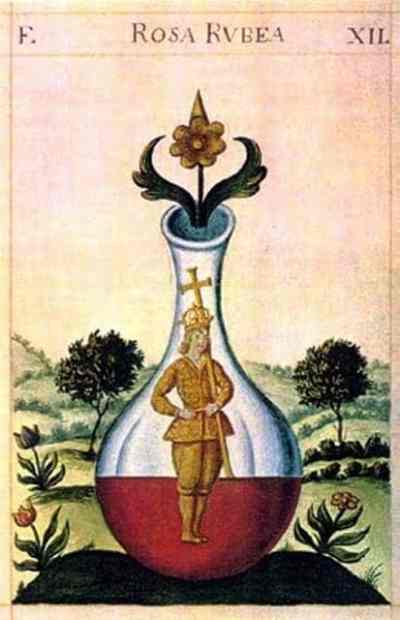
e3712 a2bsymbolic2bhomunculus252c2bdepicted2bin2bthe2bpretiosissimum2bdonum2bdei2b25282527the2bmost2bprecious2bgift2bof2bgod25272529252c2ban2bimportant2b15th century2balchemica

Ivana Ryška Vajdová: Jung’s Psychological Analysis of Imago Dei

Ivana Ryška Vajdová: Jung’s Psychological Analysis of Imago Dei ABSTRACT One of the most intricate topics that are still open in connection to a Swiss psychologist Carl Gustav Jung is religion and related issues. What is the relation between religion and psychology? What is Jung’s personal stance? Did Jung reject religion as a relict of… 

shaman

The Dark Feminine: Death in Childbirth and Entry into the Shamanic Realm

The Dark Feminine: Death in Childbirth and Entry into the Shamanic Realm Janet Robinson vividly describes her feelings, dreams, and visions during and after her terrifying experience of abruptio placenta in childbirth. This condition is extremely serious and life-threatening for both the mother and the fetus. In this case the fetus died, and the work…